

Home Brain Stimulator for Depression Approved by FDA
By Reuters | 11 Dec, 2025
The Flow Neuroscience brain stimulation device will become available in the 2nd quarter of 2026.
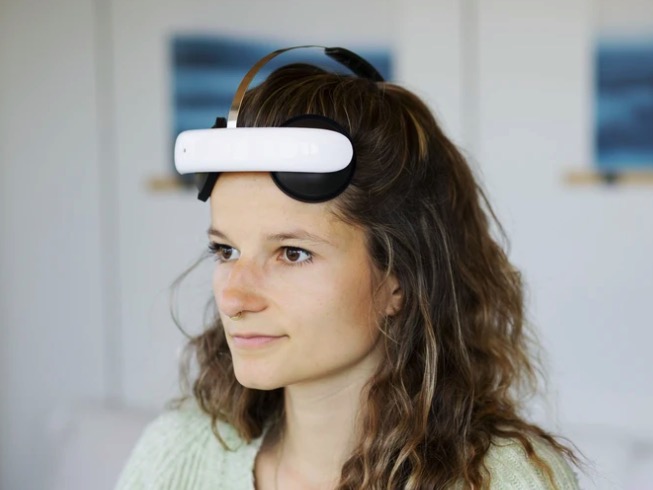
The Flow at-home brain stimulation device sends a gentle current through the part of the brain that controls mood. (Flow Neuroscience Photo)
The U.S. Food and Drug Administration has approved Flow Neuroscience's at-home brain stimulation device to treat depression, offering an alternative to typical antidepressants that can cause side effects with long-term use, the company said on Thursday.
Depression rates in the U.S. have surged 60% over the past decade, affecting more than 20 million adults, according to the Centers for Disease Control and Prevention.
Flow's FL-100 delivers a gentle electrical current to the part of the brain that regulates mood and is designed for home use under remote supervision. It is the first such device to be approved in the U.S.
The device is cleared to treat moderate to severe major depressive disorders in adults aged 18 and older, as a standalone treatment or alongside other treatments, who are not considered resistant to medication.
Flow plans to launch the device in the U.S. in the second quarter of 2026 as a prescription-only treatment.
The company's CEO Erin Lee told Reuters the company is targeting a U.S. retail price between $500 and $800. Flow is negotiating with insurance payers and expects to announce coverage partnerships in early 2026, Lee added.
The device has been used by over 55,000 people in Europe, the UK, Switzerland and Hong Kong, Flow said.
The FDA's approval was based on a mid-stage study in which 58% of patients achieved remission after 10 weeks, including many who were already on medication or in therapy. Among global users, 77% reported symptom improvement within three weeks, the company said.
Patients typically follow a 12-week course, starting with five sessions per week for three weeks, then tapering to two or three sessions weekly for the remaining nine weeks. Each session lasts 30 minutes.
Side effects are generally mild and temporary, including skin irritation, headache and tingling sensations at electrode sites, Flow said, adding skin burns have occurred when the device's pads were reused or dried out.
(Reporting by Kamal Choudhury in Bengaluru; Editing by Krishna Chandra Eluri)
Articles
- Samsung SDI to Lend $1.05 Bil. to Stellantis JV StarPlus Energy
- China Backs Off Belt and Road Pledges As Neighbors Seek Energy Help
- Giant Kuwaiti Oil Tanker Set Ablaze by Iranian Strike Despite Trump Threats
- China's Manufacturing Growth Hits 1-year High Despite Mideast Conflict
- Oil Falls 1% on Report Trump Open to Ending Campaign Without Hormuz Reopening
- Korean Air to Shift to Emergency Mode in April Amid Oil Shock
- Golden Toilet on Capital Mall Mocks Trump's Lavish White House Renovations
- White House Ballroom Project to Sit Atop 'Massive' Military Complex
- Nomadic Gets Creative Edge from Its Founder's Mixed-Race Identity
- Mexican Immigrant Is 14th Death in ICE Custody in 2026 Alone