

Resynchronizing Implant Better at Preventing Heart Attacks
By wchung | 07 May, 2026
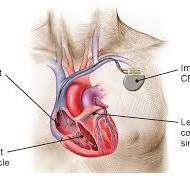
Boston Scientific said Tuesday a clinical study shows its heart resynchronization implant devices were better at preventing death or surgery due to heart failure than another popular type of device.
The Natick, Mass., company said patients implanted with the devices, which recoordinate the action of the right and left ventricles, were 29 percent less likely to die or need surgery than patients who had implantable cardioverter defibrillators.
ICDs are designed to restore a normal heart rhythm by delivering an electric shock.
Boston Scientific said the results show that early implantation of a cardiac resynchronization device can slow the progression of heart failure. The MADIT-CRT trial included more than 1,800 patients with class I or II heart failure, the two mildest types according to a New York Heart Association scale.
The company said about 70 percent of all U.S. heart failure patients have the class I or class II type. It estimated that 5.5 million people in the U.S. have heart failure.
In premarket trading, shares of Boston Scientific advanced 74 cents, or 8 percent, to $9.98.
6/23/2009 9:09 AM NEW YORK (AP)
Recent Articles
- New Hostilities Throw US-Iran Ceasefire into Doubt
- CATL to Supply EV Chassis in First Overseas Project in Turkey
- 3 Asian Chip Giants Become New Investor Focus Amid AI Bull Run
- Tesla's China-Made EV Sales Jumped 36% in April
- Chinese Tanker Attacked Near Strait of Hormuz
- McDonald's Misses US Sales Growth Target as Consumer Spending Tightens
- China's May Day Tourism Rises but with Restrained Spending
- Energy Crunch to Persist Even If Iran Peace Deal Struck Says Maersk
- Jobless Claims Increased Less Than Expected Amid Low Layoffs
- Oil Falls Below $100 a Barrel on Middle East Peace Hopes