
Everyday Technology in Asia That Feels Straight Out of the Future
By Kelli Luu | 27 May, 2026
Many technologies in Asia still feel futuristic to Westerners but have completely reshaped how millions of people live every day.
© 2026 by Asian Media Group Inc.
If you have ever been to Asia, you know some parts are already living in the future. These are some of the small, everyday technologies you can find there that quietly make life more convenient.
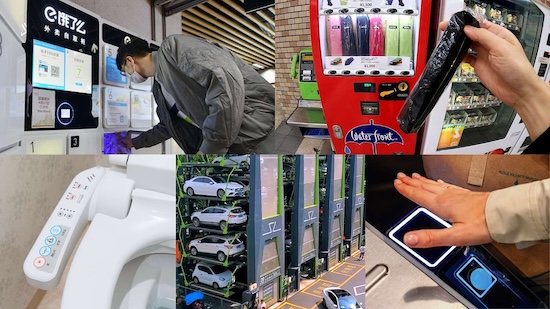
First up, there’s Japan’s smart toilets. They come with built in bidets, heated seats, deodorizing systems, and even sound masking features for privacy. Not only can you add one of these to your home, but they are also commonly found in public restrooms in train stations, bars, and restaurants, making every trip to the restroom feel luxurious for Westerners.
In cities like Hangzhou and Seoul, automated parking garages have become an efficient way to save space. Think of it like a robot valet, where drivers leave their car on a platform and an automated system moves and stores the vehicles vertically using lifts and rotating mechanisms.
Throughout Asia, food delivery and pickup technology has evolved and now customers can order food on their phone and receive a QR code and locker number to retrieve their meals using smart bento locker systems. The lockers are temperature controlled and have become even more popular after the pandemic when contactless pickup was in high demand.
Next up, vending machine culture is extremely common in everyday life. Japan has an estimated 4 million vending machines spread out across the country and these machines sell much more than soda and snacks. Depending on where you are, you can buy instant ramen, umbrellas, batteries, and even fresh groceries from vending machines that are available 24/7.
Finally, the most futuristic thing on this list used in Asia is palm-scanning payments. In 2023, Alibaba introduced to the world biometric payment systems where users can pay just by scanning their palm. This technology uses palm prints and vein recognition to verify identities and has been consistently expanding into stores, restaurants, and even transit systems.
In many parts of Asia, all of these technologies are not viewed as luxury experiences; they’re simply parts of everyday life, showing just how much countries are heavily prioritizing convenience and efficiency.
Recent Articles
- US Holds off Blacklisting DeepSeek, Over 100 Firms Deemed Security Risks
- Vietnam Maintains 2026 GDP Target Despite Trade Deficit, Inflation Pressure
- China Makes New Push to Take Yuan Global
- Iran Deal Includes $300 Billion Investment Fund, With Over Half Already Committed
- US Senate Narrowly Blocks New Bid to Rein in Trump War Powers
- BYD Ramps up Battery Production in Brazil
- Intel Begins Chip Production with New Fabrication Process
- 'Wingman' Drone Key Piece of EU's Defense Self-Reliance
- Keiko Fujimori Edges Ahead in Brutal Contested Vote Count
- Chip Queen He Tingbo Subverts Moore's Law to Overturn the Global Semiconductor Hierarchy