
The Systemic Flaws that Keep World Cup a Distant Dream for China
By James Moreau | 27 May, 2026
From youth academy bribes to professional match-fixing, the structural hurdles facing Chinese football are higher than ever.
© 2026 by Asian Media Group Inc.
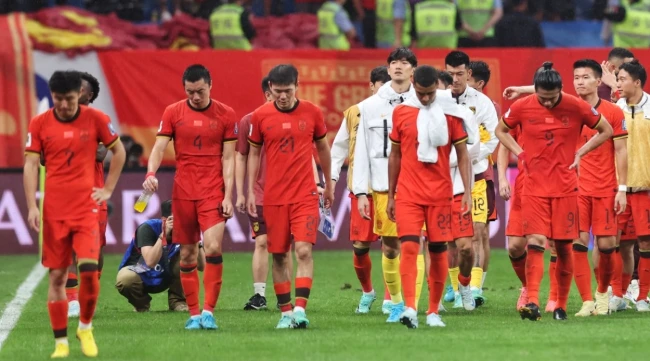
It is a staggering statistical anomaly: in a nation of 1.4 billion people, the men’s national soccer team hasn’t qualified for a World Cup since 2002. Despite high-level political backing and a personal mandate from President Xi Jinping to transform China into a soccer superpower by 2050, the team remains a source of national frustration. While specialized camps have been established, the results have yet to materialize, leading fans and analysts to wonder – how can they be so consistently bad?
A primary obstacle is the deeply rooted culture of corruption in the Chinese Football Association that infects both the professional ranks and the youth level. Rather than acting as a meritocratic pipeline, youth soccer camps are often compromised by the financial incentives of the organizers. Playing time is frequently sold to the highest bidder; parents from privileged backgrounds can bribe administrators to ensure their children are on the pitch, while more talented but less affluent players are sidelined. This “pay-to-play” corruption ensures that the national talent pool is filtered by bank accounts rather than ability, in contrast to the free, accessible grassroots programs seen in Germany.
This talent drain begins with the state’s scouting methods, where children who show elite physical promise are often pulled out of soccer early and funneled into individual sports where success-defining traits are easier to identify and measure. Unlike individual sports where China excels – such as diving or table tennis – soccer requires a level of collective, intuitive improvisation that is essential for breaking down a defense but rarely shows up on a physical assessment. Furthermore, the national focus remains fixed on school-based achievement. The intensity of the academic calendar creates a difficult trade-off. Even in regions like Guangdong where soccer interest thrives, the demanding requirements of the classroom force talented players to prioritize their studies over the pitch.
At the professional level, scandals involving match-fixing have become so systemic that Super League teams often begin seasons with “negative points” as punishment. For Chinese pro players, the end goal is simply to make the national squad to secure lucrative contracts and social status. Once that is achieved, World Cup qualification becomes a professional afterthought rather than a necessity. With the talent pool already thinned by cultural expectations, the motivations of those who remain are further distorted by a professional environment that rewards status over performance.
Recent Articles
- Qantas Bets on Sleep and Light Science to Sell 20-Hour Flights
- High-Wire Diplomacy Delivered US-Iran Deal but the Tricky Part's to Come
- Pentagon Asks for $80 Billion for Iran War Bills
- Ukrainian Drone Makers Zero in on Demand Created by Taiwan Tensions
- Bedtime Story: Tenali Raman and the Thieves
- Fujimori Edges Toward Peruvian Presidency as Sanchez Calls for Protests
- Republicans Blast Trump's Iran Agreement as Details Emerge
- SK Hynix Veteran Seok-Hee Lee Tapped to Lead Intel Foundry Packaging Push
- Mamdani Plans to Air World Cup for Free Throughout New York
- Myra Molloy Parlays Historic Broadway Success into a Leading Film Role