

US Spends $25,000 a Month to Store Unusable Contraceptives Stuck in Belgium
By Reuters | 16 Jun, 2026
Around $9.7 million worth of contraceptives, including implants and pills, intended for shipment to poor nations have been stuck in a Belgian warehouse since last January when US froze foreign aid.
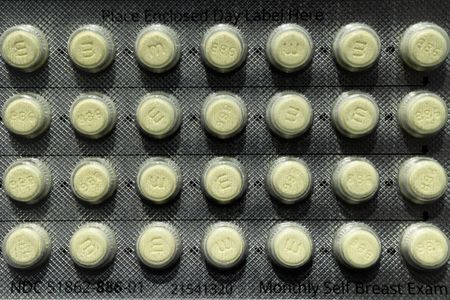
A pack of birth control pills is displayed in this illustration picture taken in Philadelphia, Pennsylvania, U.S., July 11, 2022. REUTERS/Hannah Beier/Illustration
The United States is spending almost $25,000 every month to store contraceptives in Belgium that were originally bought for use in poorer nations but are now mainly unusable, according to a report from officials reviewed by Reuters.
Around $9.7 million worth of contraceptives, including implants and pills, have been stuck in a Belgian warehouse since January last year, when the U.S. first froze foreign aid. The stock could have helped prevent millions of unwanted pregnancies and saved lives, aid sources have said.
Between January 2025 and March of this year, storing and transporting the stock has cost $360,667, according to the report from the Office of the Inspector General for the now-dismantled U.S. Agency for International Development.
The report also said that storing the contraceptives is still costing $24,550 every month.
The U.S. government did not respond to requests for comment.
The report says the figures were provided by Chemonics, the contractor that managed the procurement and delivery of the contraceptives for the U.S. government. Chemonics did not respond to questions.
When the contract to deliver the contraceptives was cancelled by the U.S., Chemonics originally tried to find a buyer for them or an organization that would facilitate a donation. Efforts faltered in part due to a lack of response from the U.S. over the future of the stock, sources told Reuters at the time.
WASTE AND REVERSED DECISIONS
Reproductive rights organisations have repeatedly urged U.S. authorities to release the supplies for use by women in lower-income nations.
"It is indefensible that at a time of acute global need, millions of dollars’ worth of lifesaving family planning supplies has been left to rot for nearly a whole year, while U.S. taxpayers face an ever-mounting storage bill," said Beth Schlachter, senior director of external relations and advocacy at MSI Reproductive Choices.
"Waste on this scale is simply unconscionable," she added.
In June last year, the U.S. ordered the stock moved and then destroyed. During that process, 20 of 24 truckloads - or around $8 million of the contraceptives - became unusable, as they were not stored safely or under temperature-controlled conditions, the report said. The transportation of the remaining $1.7 million of stock was paused.
Then in September, the U.S. reversed the order to destroy the contraceptives. It has not yet given further instruction on their future, despite a proposal from Chemonics to donate the usable $1.7 million of stock to a recipient in Uganda, at a cost of $239,000, the report said.
A source familiar with the discussions said the last contact between the U.S. government and the Belgian government, which had also proposed taking over or buying the goods through a humanitarian organization, was around three to four months ago.
(Reporting by Jennifer Rigby and Ammu Kannampilly; additional reporting by Charlotte Van Campenhout in Amsterdam; Editing by Bill Berkrot)
© 2026 by Asian Media Group Inc.
Recent Articles
- Only 30% of Americans Consider the US the World's Greatest Country
- US Spends $25,000 a Month to Store Unusable Contraceptives Stuck in Belgium
- AI Optical Parts Maker Zhongji Innolight Eyes $7 Billion Hong Kong Listing
- US-Iran Peace Deal Kicks the Can Down the Road
- Surging SpaceX Set to Overtake Amazon in Market Value
- US Annual Import Price Rise Highest in 4 Years
- Humbled Trump Points to 'No Nukes' Fig Leaf in Half-Baked Deal
- SpaceX Locks in $60 Billion Cursor Deal to Power AI Coding Push
- Single-Family Housing Starts Fell to Eight-Month Low in May
- Self-Driving Tech Supplier Mobileye Plans US Robotaxi Service Next Year