

Should You Work Out Even When You Slept Badly?
By Goldsea Staff | 18 Dec, 2025
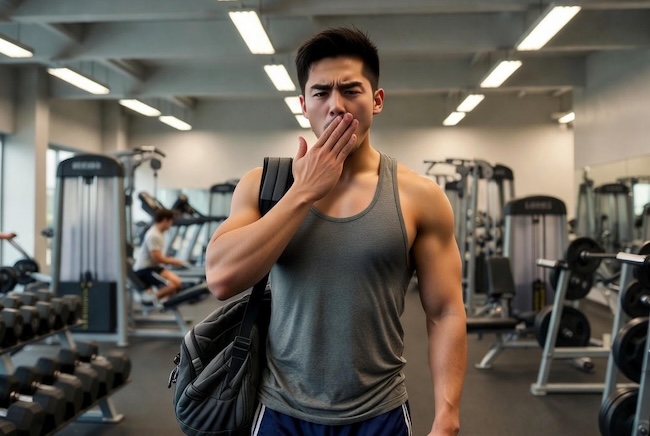
Feeling like a rag doll after only 4 hours of sleep shouldn't necessarily keep you from your scheduled workout.
(Image by Grok)
We've all had days when we slept so poorly that we wonder at the wisdom of going ahead with that day's scheduled workout.
Emerging research suggests that, in many cases, exercising after a bad night's sleep can still be beneficial, often much better than skipping it.
Of course sleep is key to recovery and performance. During deep sleep your body releases growth hormone, repairs tissues, and replenishes energy stores. Chronic sleep deprivation is linked to reduced muscle strength, impaired recovery, and even muscle loss over time. One systematic review found that consecutive nights of restricted sleep can decrease force output in multi-joint exercises like squats or deadlifts, while a single night of total deprivation might blunt muscle protein synthesis—the process that builds and repairs muscle—by around 18%.
But the picture isn't entirely bleak for occasional bad nights. Acute sleep deprivation (one rough night) often has minimal impact on maximal strength or anaerobic performance, according to studies. In fact, resistance training can still trigger muscle protein synthesis, providing a stimulus for growth even when you're running on fumes. Skipping the workout entirely means missing that key signal for adaptation, potentially stalling progress in the long run.
There are also immediate upsides to moving your body despite fatigue. Exercise releases endorphins, boosting mood and alertness—often more effectively than caffeine for shaking off that mental fog. Just 20 minutes of moderate exercise can improve cognitive function after sleep loss. Physical activity also builds adenosine, a chemical that promotes deeper sleep later, potentially helping you rebound that night. Regular exercisers who push through occasional poor sleep report better overall sleep quality and consistency in their routines.
But context matters. If you're chronically sleep-deprived—say, getting less than 6 hours consistently—piling on intense workouts can exacerbate issues. Elevated cortisol from ongoing stress, combined with training, increases injury risk and overtraining symptoms. Performance suffers more noticeably with prolonged restriction: slower lifts, reduced endurance, and higher perceived effort. In these cases, prioritizing rest or lighter activity might be wiser.
For a single bad night, though, the consensus leans toward carrying on with your workout, with adjustments. Opt for moderate intensity over max-effort sessions. Avoid personal records or complex skills that demand sharp focus, as neuromuscular coordination dips with fatigue. Stick to familiar compound movements at 70-80% effort, or incorporate lighter cardio, yoga, or mobility work. This maintains habit, provides stimulus, and delivers an energy lift without excessive strain.
Helpful Strategies for Going Gung-Ho
Caffeine: A cup of coffee 30-60 minutes pre-workout can offset drowsiness and enhance performance. Studies show it increases voluntarily chosen loads during resistance training after limited sleep.
Napping: If possible, a 20-90 minute nap post-workout (or before) aids recovery, restores hormones, and reduces soreness.
Listen to your body: If you're extremely fatigued or noticing persistent declines, take a deload day.
Improve future sleep: Exercise itself promotes better rest long-term, creating a positive cycle.
Ultimately, consistency trumps perfection. One off-night shouldn't derail your progress. By training smartly, you preserve momentum, reap mood and energy benefits, and set yourself up for better recovery. Prioritize sleep as the foundation—aim for 7-9 hours most nights—but on those inevitable rough mornings, lace up your shoes. Your future self (and muscles) will thank you.
© 2025 by Asian Media Group Inc.
Recent Articles
- Qantas Bets on Sleep and Light Science to Sell 20-Hour Flights
- High-Wire Diplomacy Delivered US-Iran Deal but the Tricky Part's to Come
- Pentagon Asks for $80 Billion for Iran War Bills
- Ukrainian Drone Makers Zero in on Demand Created by Taiwan Tensions
- Bedtime Story: Tenali Raman and the Thieves
- Fujimori Edges Toward Peruvian Presidency as Sanchez Calls for Protests
- Republicans Blast Trump's Iran Agreement as Details Emerge
- SK Hynix Veteran Seok-Hee Lee Tapped to Lead Intel Foundry Packaging Push
- Mamdani Plans to Air World Cup for Free Throughout New York
- Switzerland Loses Top Competitiveness Ranking to Singapore